FAQs: SEL
Question: What is social emotional learning (SEL)?
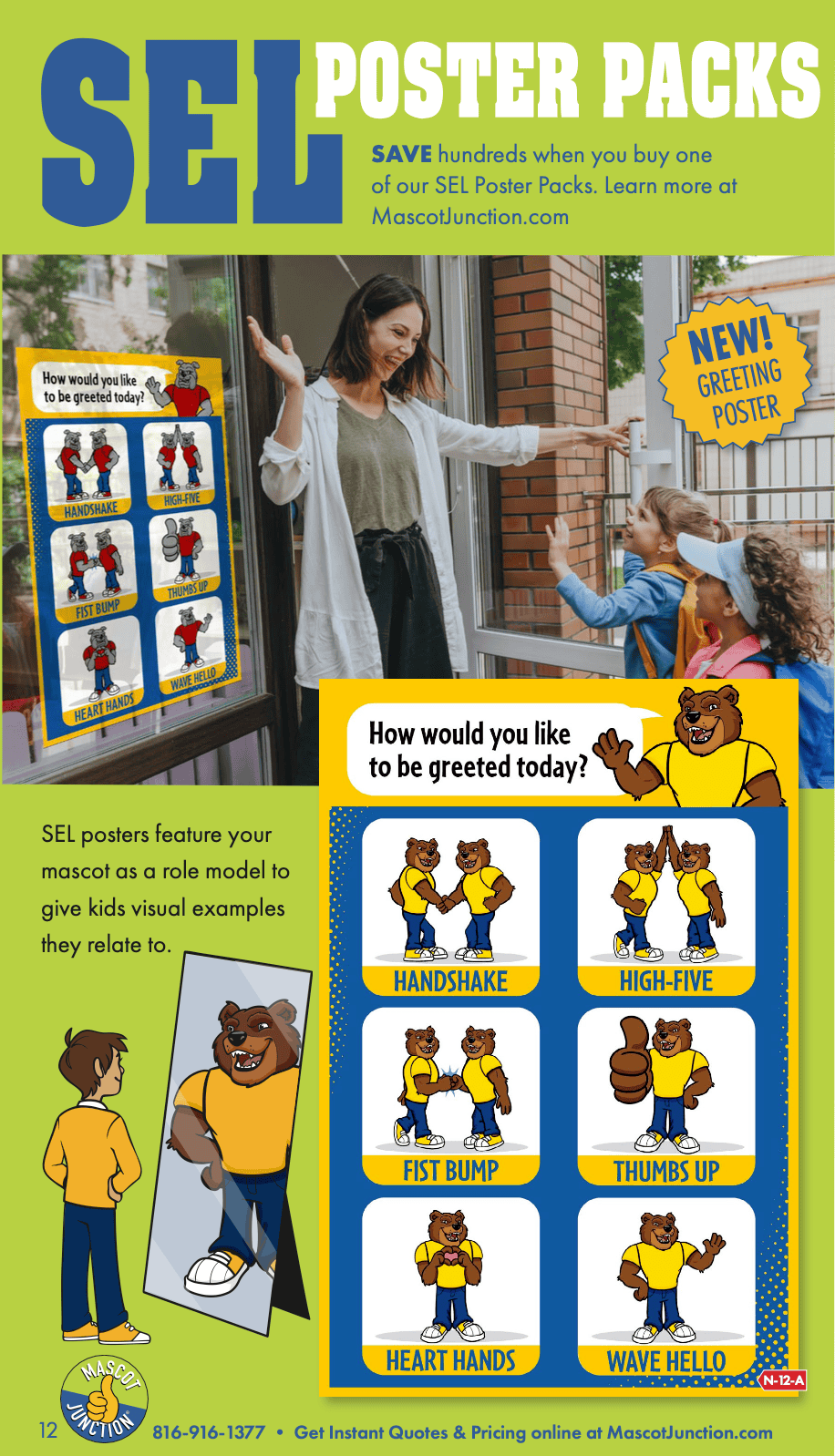
Answer: SEL is a commonly used approach to teaching vital social skills to students. CASEL (Collaborative for Academic, Social, and Emotional Learning) established a widely used framework for implementing SEL. The five components are: self-awareness, self-management, social awareness, relationship skills and responsible decision-making.
Question: What are the benefits of SEL?
Answer: SEL has proven to improve academic achievement, classroom behavior, and overall emotional well-being. Student with strong social and emotional skills are more likely to graduate from high school, earn college degrees, achieve full-time employment, and make positive contributions to society.
Question: How is SEL taught?
Answer: SEL is woven into a school's curricula and reinforced in all activities related to the school. It is not taught as a stand-alone subject.
Question: What are examples of SEL skills?
Answer: Some examples include: Identifying emotions, accurate self-perception, recognizing strengths and weaknesses, impulse control, organization skills, empathy, teamwork and cooperation, clear communication and the ability to analyze situations.
Question: How can I promote SEL in our classroom/school?
Answer: Here are some common ways to promote SEL:
- Give students a visual tool for identifying their different emotions.
- Create a calm-down space where they can use tools to self-regulate. Tools may include: sensory path, stress balls, fidget spinners, breathing guides and more.
- Expand the students emotional vocabulary to help them identify and articulate what they are feeling so an appropriate solution can be identified.
- Create group projects so students develop skills in active listening, cooperation, collaboration and goal setting.
- Assign classroom jobs and give students specific roles to create a sense of belonging, responsibility and community contribution.
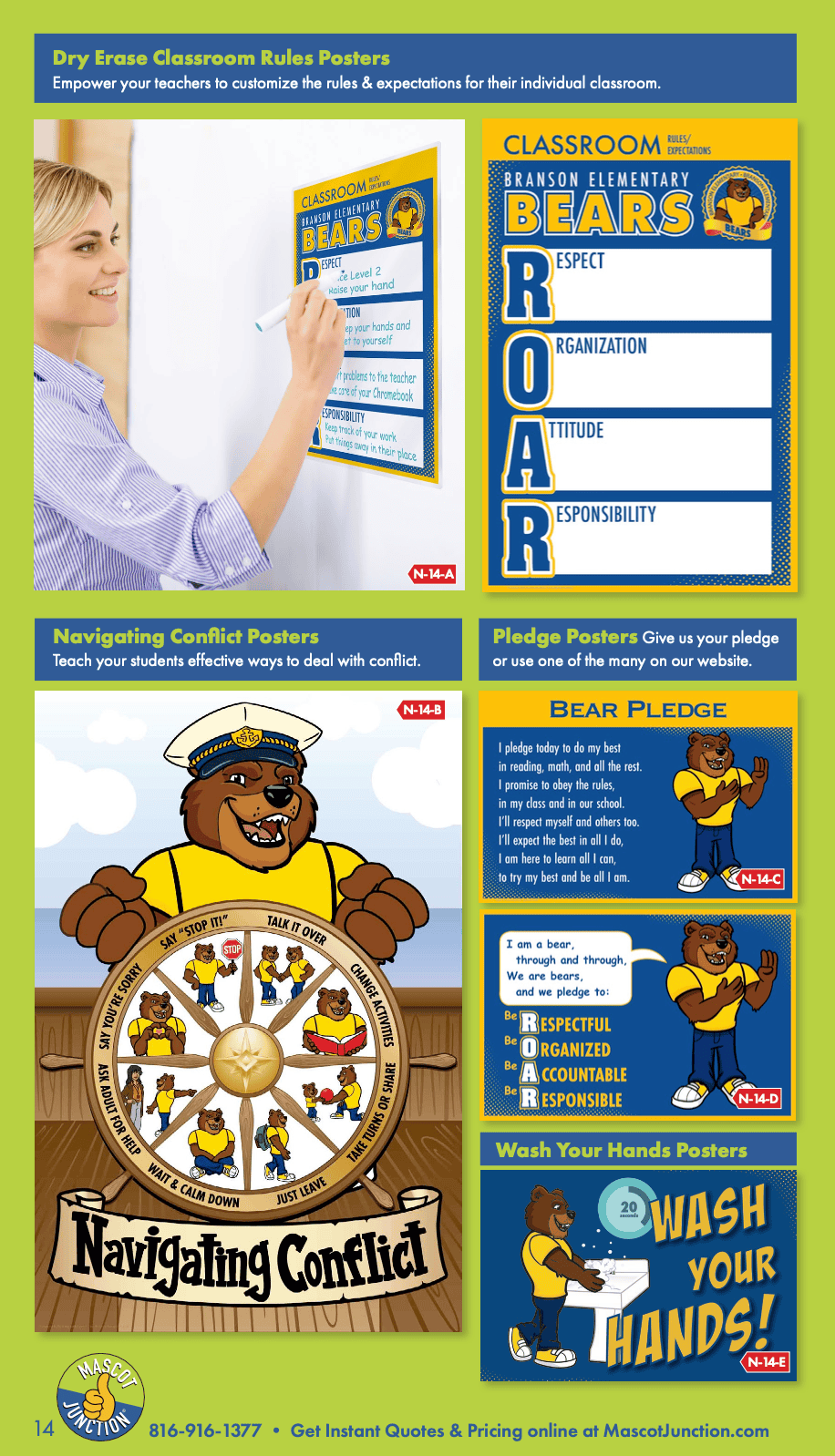
- Create clear rules for the classroom, and other areas of the school, to set behavioral expectations.
- Use morning routines to check in with students and find out how they are feeling at the start of the day.